
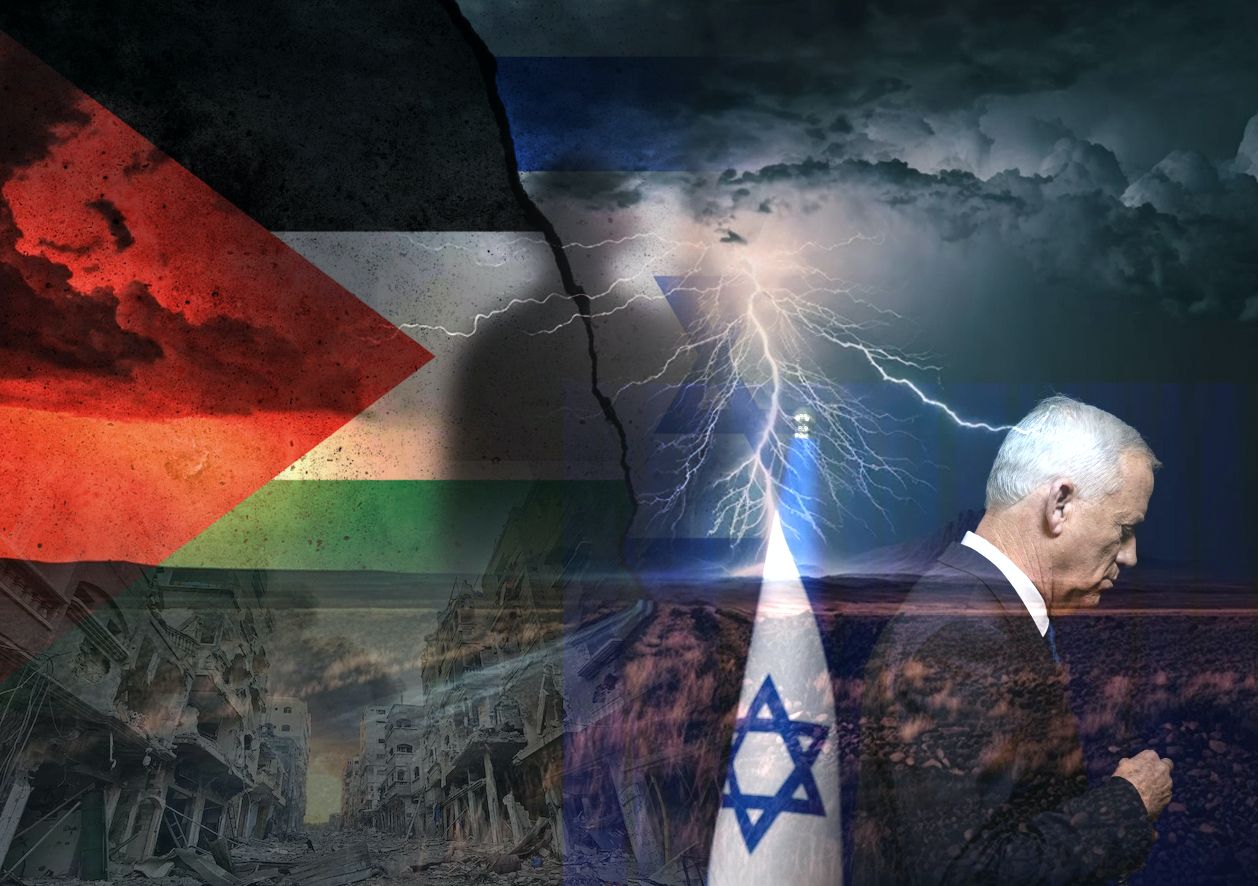
- Once again panic is in the air in Israel, more intense than the one in April when the Zionist entity awaited the Iranian response to its bombing of the Iranian consulate in Damascus, breaching international laws.
- That response on April 13 recorded many firsts – for the first time since 1948, an attack on Israeli soils and its occupied territories by a state actor has occurred where no Israeli fighter planes are on Gaza skies, giving a very good respite for the Gazan civilians from the daily Israel’s action of crime against humanity by bombarding them into oblivion when they are not combatants of war.
- Israel then has also for the first time sent a letter to the UN Security Council (UNSC), urging the body to convene an extraordinary meeting to assess the escalation, a reverse of past situation when more often than not it was the Palestinians and the Arab world that had to write a letter to the UNSC requesting urgent session due to Israel’s transgression.
- For the first time too, ballistic missiles at supersonic speeds landed on Israel. And finally for the first time, Israeli Nevatim Air Base in al-Naqab and its intelligence headquarters in Mount Hermon were successfully targeted.
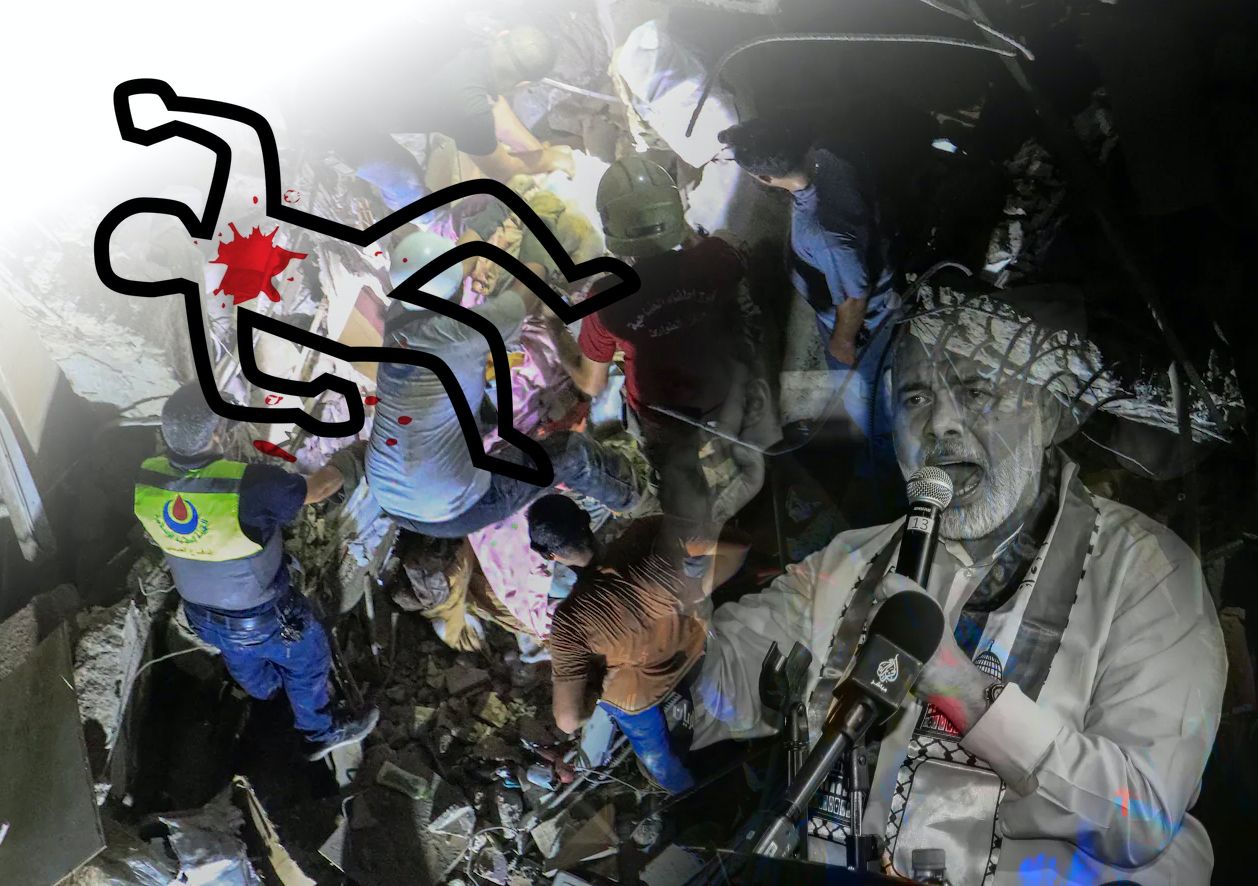
- A preview of the current panic can be seen when in an effort to turn the table on the Axis of Resistance, a strategy of bravado, it would seem on the part of Israel to fight the sense of panic in the country, was executed when Israeli jets bombed the town of Shamaa in southern Lebanon on Thursday afternoon (August 1), killing several people, just a day after the assassination of Hamas Politburo Chief, Ismail Haniyeh.
- “Three people were killed and five people were injured, amid expectations that the toll will rise as rescue teams are working to remove body parts from the place,” said Lebanon’s National News Agency
- The response to this Israeli massacre was swift when Hezbollah fired anti-aircraft missiles at Israeli warplanes over the south on the evening of the same day, forcing them to withdraw from Lebanese airspace.
- The next day, Hezbollah fired dozens of Katyusha rockets at the Israeli Mtsova settlement.
- Resistance leader Hassan Nasrallah announced in a speech on August 1 that Hezbollah’s operations would resume normally but stressed that the resumption of operations is entirely separate from the response to Israel’s attack on the capital that killed Commander Sukr.
- “We are beyond the stage of being a ‘support front’; we are now in an open battle against the Israeli enemy, on all frontiers – we have entered a new stage … We will carry out a real, practical response – it will not be a symbolic response or a formality,” Nasrallah said.
- “You do not know which red lines you have crossed,” he added, referring to both the attack on Beirut and the attack that killed Hamas leader Ismail Haniyeh in Tehran.
- Commenting on the Hezbollah’s attack on Israeli Mtsova settlement, Amit Sofer, an Israeli settler official at the Merom Hagalil Regional Council in Galilee has warned there is no protection for Israelis and their settlements up to 5km from Hezbollah’s forces on the border with Lebanon.
- “There is still not enough protection, even in settlements located 5km from the border,” Israeli radio cited him as saying on August 2.
- “Not for kindergartens, not for daycare centres. It is impossible that the residents of the North could not go to the grocery store properly, stand at a bus stop or go to the health fund,” Sofer added.
- And like a psychopath in a denial mode of fear or panic, Israel once again attacked with impunity the southern villages of Kafr Kila and Deir Siryan that resulted in civilian injuries on Saturday (August 3).
- Again, the response from Hezbollah was swift when the next day, it added the settlement of Beit Hillel to its list of targets for the first time, targeting it with dozens of Katyusha rockets.
- Prior to this Hezbollah had attacked the settlement but it was only targeted against Israeli military bases and positions there.
- This time around it is the Beit Hillel settlement proper that was the target of the attacks which had resulted in civilian casualties.
- Nasrallah had vowed last month that Israeli strikes on civilians in Lebanon would be met with the same retaliatory attacks from the Resistance, targeting settlements that had remained untouched since the confrontation began on October 8, 2023.
- Since then, with Israel’s systemic targeting and killing of civilians, Hezbollah has introduced several new settlements to its target bank, forcing many settlers who have not yet evacuated to flee.
- Meanwhile video footage from the Middle East Eye shot on the streets of Tel Aviv showed a divided public mood.
- Israel-based experts told Aljazeera as Israelis brace for an attack, there is not only anxiety but also resignation.
- One woman said she “didn’t feel safe” and cancelled her plans on Wednesday morning after Haniyeh’s assassination. Another woman told the outlet people were “happy” about the assassination but were aware it could cause a larger war.
- “People are tense, sure,” said Ori Goldberg, a Tel Aviv-based expert on Israeli politics. “There are fewer people on the street, there’s a general sense of anxiety, but it’s not anywhere near as hysterical as in October when people were convinced that Hezbollah was going to invade from the north,” he said, describing the days after the October 7 Hamas-led attacks in southern Israel. It was a fear that did not come to pass.
- The assassinations have restored some level of public confidence in Israeli prime minister Benjamin Netanyahu and in the military after the October 7 attacks, widely seen by experts and the Israeli people as an intelligence failure, Israeli pollster and former Netanyahu aid Mitchell Barak said.
- However, Barak added: “I don’t think anyone knows what’s going to happen now. I think everyone’s trying to work out what the response will be or where it’s going to come from.”
- Nevertheless, Goldberg said, Haniyeh’s death has still elicited a measure of public satisfaction. “It seems strange, I know, but there’s a level of public dissociation at work here,” Goldberg said.
- “Given the environment, the public has little problem separating the call for the hostages’ return and celebrating the killing of the man Israel was in talks with to achieve that,” he said, referring to how Israelis are traumatised by the events of October 7 that they can’t think straight.
- Critics of Netanyahu both within Israel and abroad have been quick to suggest the high-profile nature of Haniyeh’s assassination may be a ploy by the embattled PM to protract and escalate the conflict to avoid the collapse of his fragile coalition government and the holding of early elections.
- For now on the streets of Tel Aviv, “there’s the anxiety,” Goldberg said. “But there’s also a sense of resignation. There’s this sense that this is Israel’s fate. People believe that Israel will always have to defend itself and, with that, comes this idea of total impunity. For many, that’s just the way it is.”
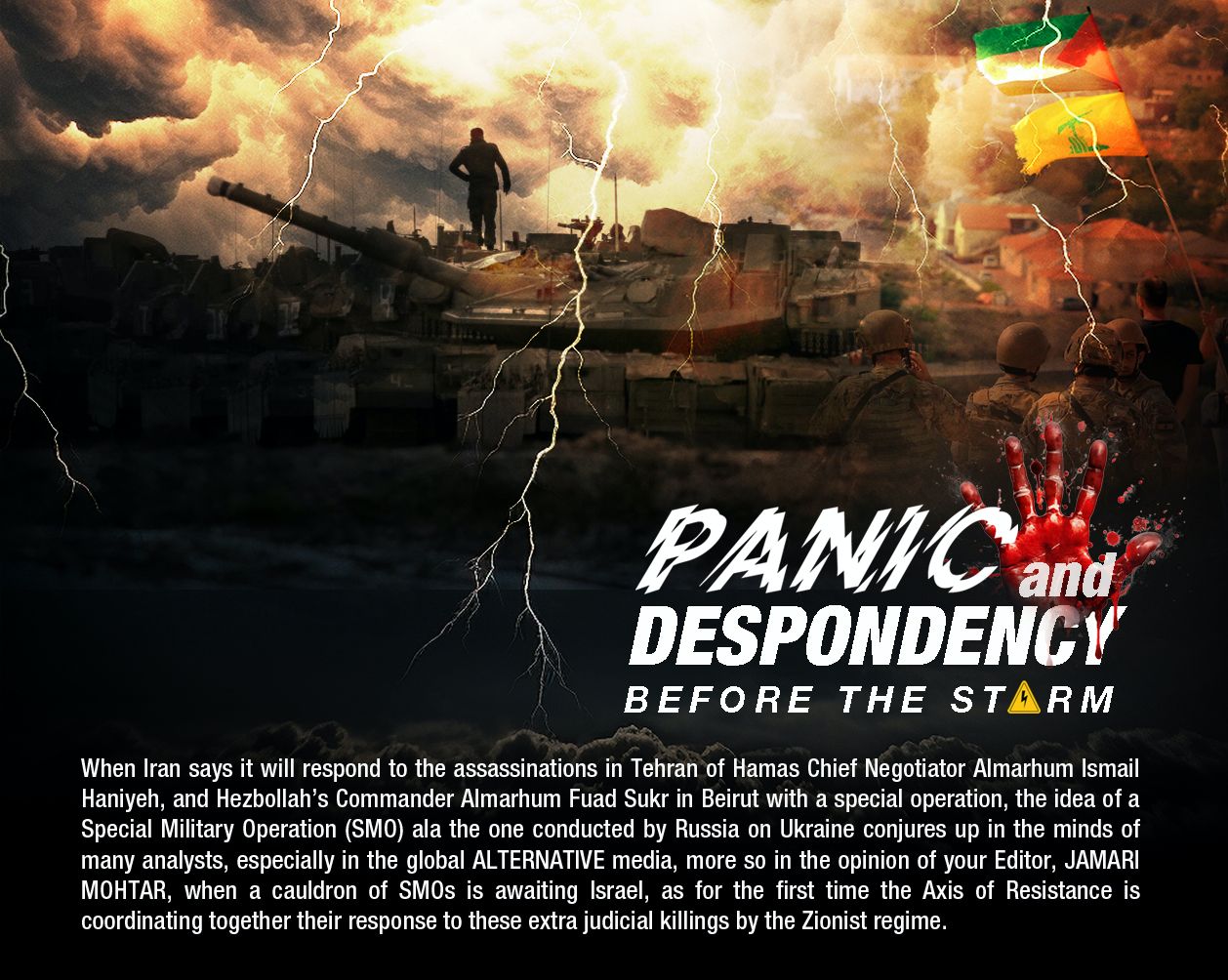
- In the US, it is not only panic that has gripped the Biden administration and the Pentagon but a sense despondency, although in a show of bravado, the US has emphasised time and again it’s so called iron-clad guarantee to protect Israel from the Iranian and the Axis of Resistance’s response to the assassinations of Haniyeh and Sukr.
- One can decipher the sense of panic and urgency on the part of the Americans by reading the statement of the US Embassy in Lebanon issued on Saturday (Aug 3) in which it urged US citizens to leave the country immediately on any available flights due to the deteriorating security situation in the region.
- “We encourage those who wish to depart Lebanon to book any ticket available to them, even if that flight does not depart immediately or does not follow their first-choice route. US citizens who lack funds to return to the United States may contact the embassy for financial assistance via repatriation loans,” the diplomatic mission said in a statement.
- As a journalist all these years, your editor has never seen an embassy’s advisory talking about financial assistance via reparation loans when it asked its citizens to leave the country for security reason.
- It must be the sense of panic for there is a good reason for the embassy to be panicked and despondent on this.
- The embassy noted that while several airlines have suspended or cancelled flights, US citizens should look for commercial transport options that are still available, as “military evacuations of civilians are rare”.
- The key point is this – the embassy seems to go out of its way to emphasise “military evacuations of civilians are rare”, which gels very well with the analysis of two former CIA analysts, Ray McGovern and Larry Johnson that at present there is not a single US aircraft carrier in the Mediterranean, with the exception of only Marine Landing ships which can accommodate about a few thousands soldiers to be evacuated.
- As the purpose of a landing ship is for evacuation of troops, the implication, in the opinion of your editor, is the US is fully aware that if it goes ahead with the defence of Israel by smashing Iranian, Hezbollah, Yemeni, Iraqi and Syrian drones and missiles heading to Israel, the response from the Axis will be so severe that US bases in the Middle East will be smashed.
- Perhaps in an anticipation of this scenario, the US embassy in Lebanon is trying to tell its citizens to get the hell out of Lebanon as soon as possible as there will be no military evacuations of civilians as all available resources will be used for the evacuation of military personnels.
- To compound matters further, the Pentagon has quickly despatched an aircraft carrier on Aug 1, a day after Haniyeh’s assassination which some analysts say pointed a finger at US’ complicity in the assassination.
- But US intelligence is estimating that the earliest the response from Iran will occur is this weekend, or at the latest on Monday (Aug 5).
- Either way, the aircraft carrier is not expected to arrive in the Mediterranean, and so the despondency is also related to the fact that the US is running against time to defend Israel.
- And as the aircraft carrier approaches the Mediterranean Sea or the Red Sea or the Gulf of Aden or the Indian Ocean, it has to contend with the Houthis whose naval blockade of Israel the US and its allies especially the UK find it more effective in stopping Israel-bound or Israel-linked vessels in the Red Sea than US sanctions have been to block Russian oil shipments.
- And this is despite the poundings meted out to Yemen by the US and UK in bombing the country.
- And only today (August 4) we have just heard the news that the Yemeni Armed Forces’ naval and missile units have carried out a joint military operation targeting the ship Groton in the Gulf of Aden with several ballistic missiles, and the strike was precise.
- The Yemeni Armed Forces also announce the downing of an American MQ-9 fighter drone, the seventh of its kind since November 8, 2023.
- According to the Financial Times, a war with Hezbollah would not improve Israel’s situation given that the Resistance movement possesses over 100,000 rockets in its arsenal, which are “capable of reaching Israeli population centres and inflicting severe damage on its already weak economy”.
- At the same time, it also said “history shows that the Israeli occupation of Lebanon is unlikely to yield positive results”, indicating that the occupation should instead seek to “enable the residents of the north to return to their homes.”
- Hence, the US should continue pressuring Israel to be open to diplomacy when dealing with the war on the northern front with Lebanon, said the Financial Times.
- In the aftermath of the Iranian strike on Israel on April 13, Secretary of State Antony Blinken met with a group of American Jewish leaders telling them further escalation with Iran is not in the interests of either the US or Israel.
- A senior US official who was present at the meeting told Axios that any significant and open strike by Israel on Iranian soil will be met by a new round of missile and drone attacks from Iran.
- It will be “very hard to replicate the huge success” of intercepting the Iranian drones and missiles on April 13 “and the Israelis know it,” another US official said.
- The US, UK, and France along with several regional countries joined efforts, both military and intelligence, to repel Iran’s April operation consisting of some 300 drones and missiles launched at Israel. According to estimates then, the few-hours interception operations cost over $1 billion.
- The US administration today fears that it may be more difficult to form the same coalition to protect Israel since the Iranian retaliation for the assassination of Haniyeh is part of the ongoing Israeli war on Gaza, which resulted in the growing opposition to Israel in the region.
- But despite this apprehension, the region’s top US general arrived in the Middle East on Saturday, Axios reported on Sunday citing two US officials.
- General Michael Kurilla, the chief of the US Central Command which oversees American forces in the region, had planned a visit before the recent Israeli escalations.
- However, he is now expected to try and create a coalition similar to the one Washington established during Iran’s response back in April, when Israel attacked its consulate in Syria, killing several senior IRGC officials.
- Kurilla is expected to visit Israel, Jordan and several Gulf countries with his visit to Amman playing a key part of his trip, as Jordan played a key role in intercepting Iranian drones headed for Israel on April 13, Axios said.
- But as Kurilla arrived in the Middle East, Al Mayadeen’s correspondent in Tehran reported that Jordanian Foreign Minister Ayman Al-Safadi has arrived in Iran today (August 4) to meet with Acting Foreign Minister Ali Bagheri Kani.
- It would be interesting to see whether General Kurilla will be successful in this mission to coax Jordan to join the coalition as Jordan, like many other countries in the Middle East, has condemned the assassination of Haniyeh.
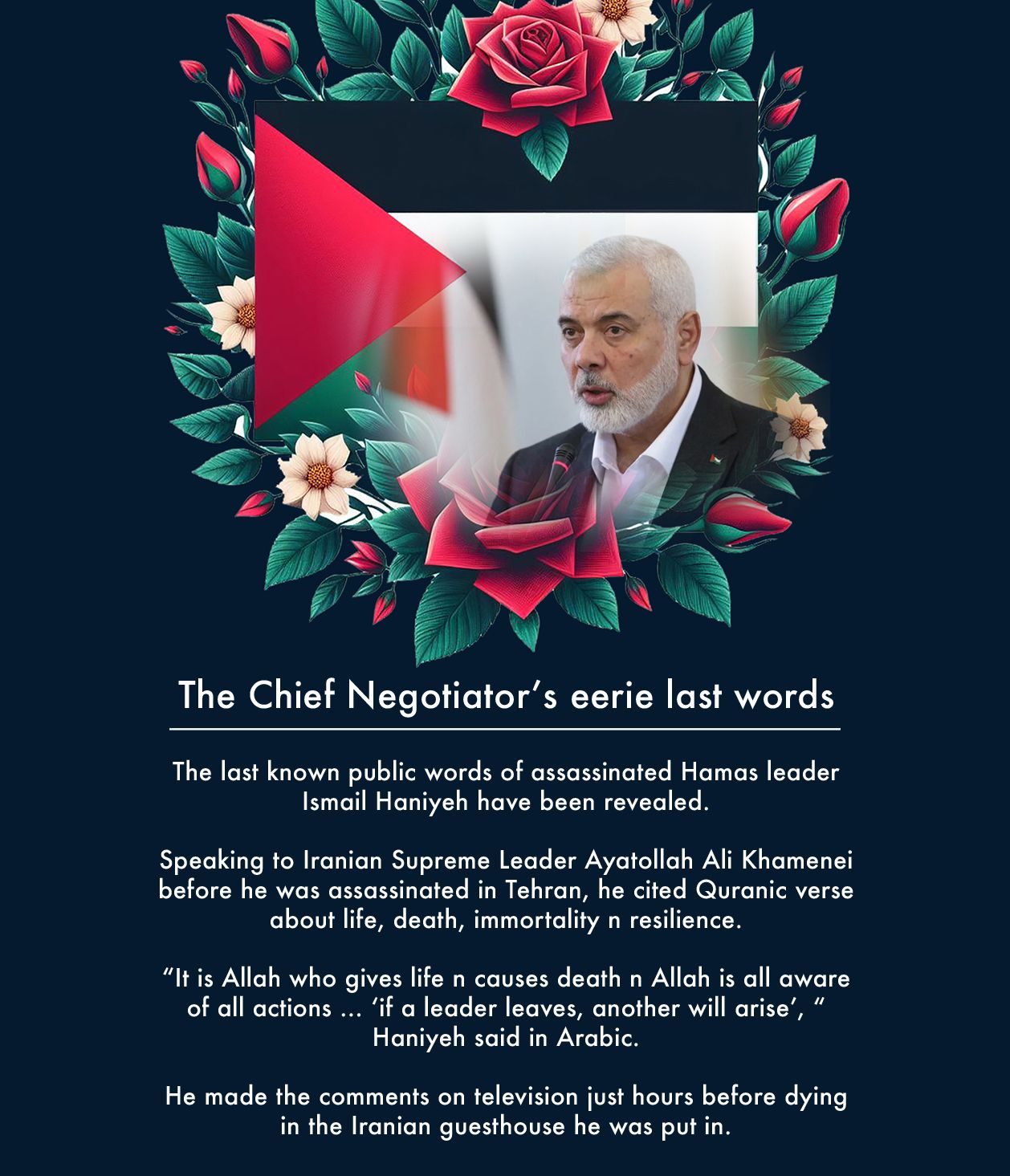
- Moreover, Haniyeh is seen in the Middle East as a moderate who has worked diligently to pursue a ceasefire in the Gaza war in which many Middle Eastern countries and even the US too has pinned great hope that the ceasefire would be implemented.
- So Kurilla may just face a big hurdle in convincing Jordan to join the coalition.
- It would also be interesting to see whether the UK will participate in the coalition using its air and naval bases in Cyprus to launch fighter jets or naval ships to defend Israel.
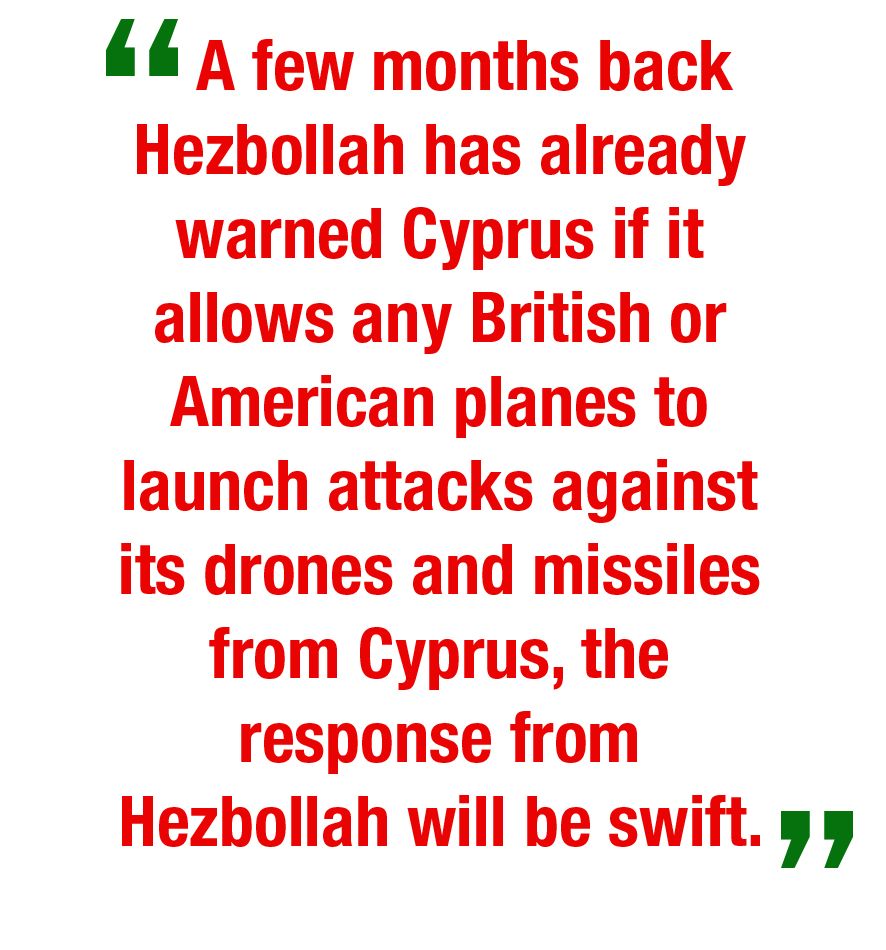
- A few months back Hezbollah has already warned Cyprus if it allows any British or American planes to launch attacks against its drones and missiles from Cyprus, the response from Hezbollah will be swift.
- Since the idea of a ceasefire in Gaza is also pursued by US President Joe Biden, which has caused Biden to have a tiff with Netanyahu, the assassination of Haniyeh is actually Netanyahu’s snub on Biden.
- But more importantly, by assassinating Hamas Chief Negotiator, Netanyahu has also assassinated along both peace and the peace process.
- This is not the first time a US-driven diplomatic process has been undermined by Israeli actions and it begs questions over what influence the US will have over Israeli acts in any cycle of retaliation.
- How far does America’s “iron-clad” guarantee of support for Israel extend?
- Biden is reported to have told Netanyahu the killing of Haniyeh was not helpful for reaching a ceasefire in the Gaza war and warned him against counting on US intervention should he choose to escalate the situation further.
- Axios also reported that Biden had expressed his urgency for a Gaza deal during a meeting with Netanyahu, raising his voice and stressing the importance of reaching an agreement within one to two weeks. Biden underscored this point during a subsequent meeting with families of American captives in Gaza.
- There has been an increased risk of an escalation into a broader Middle East war after the assassination of Haniyeh in Iran drew threats of retaliation against Israel.
- The prospect of a ceasefire and hostage release is considerably further away today than it was on 31 July just before Haniyeh was assassinated.
- There is an urgent need now for a process to restore trust in negotiations but that, right now, is a lower priority than crisis management – presided over by a Biden (and Harris) administration for whom crisis has lasted longer than anyone wants.

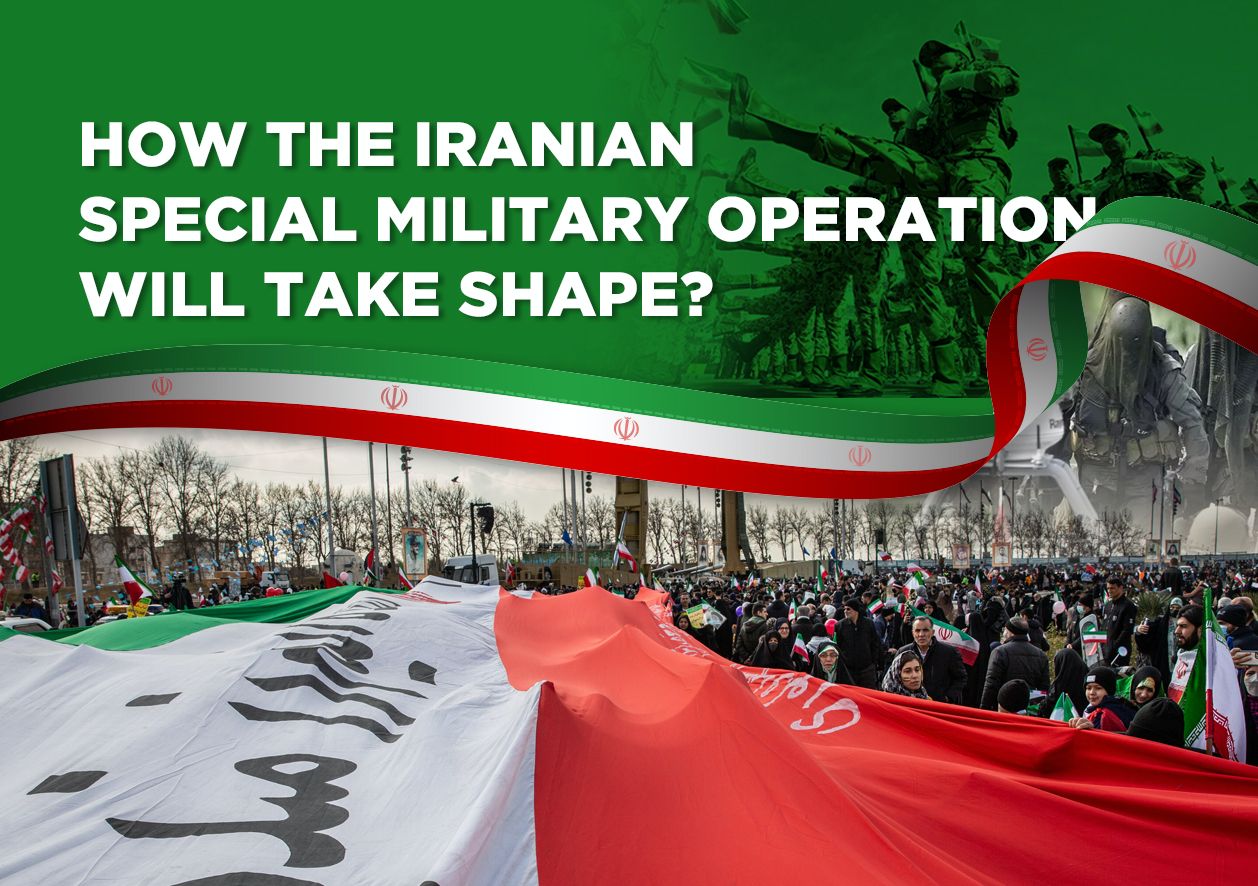
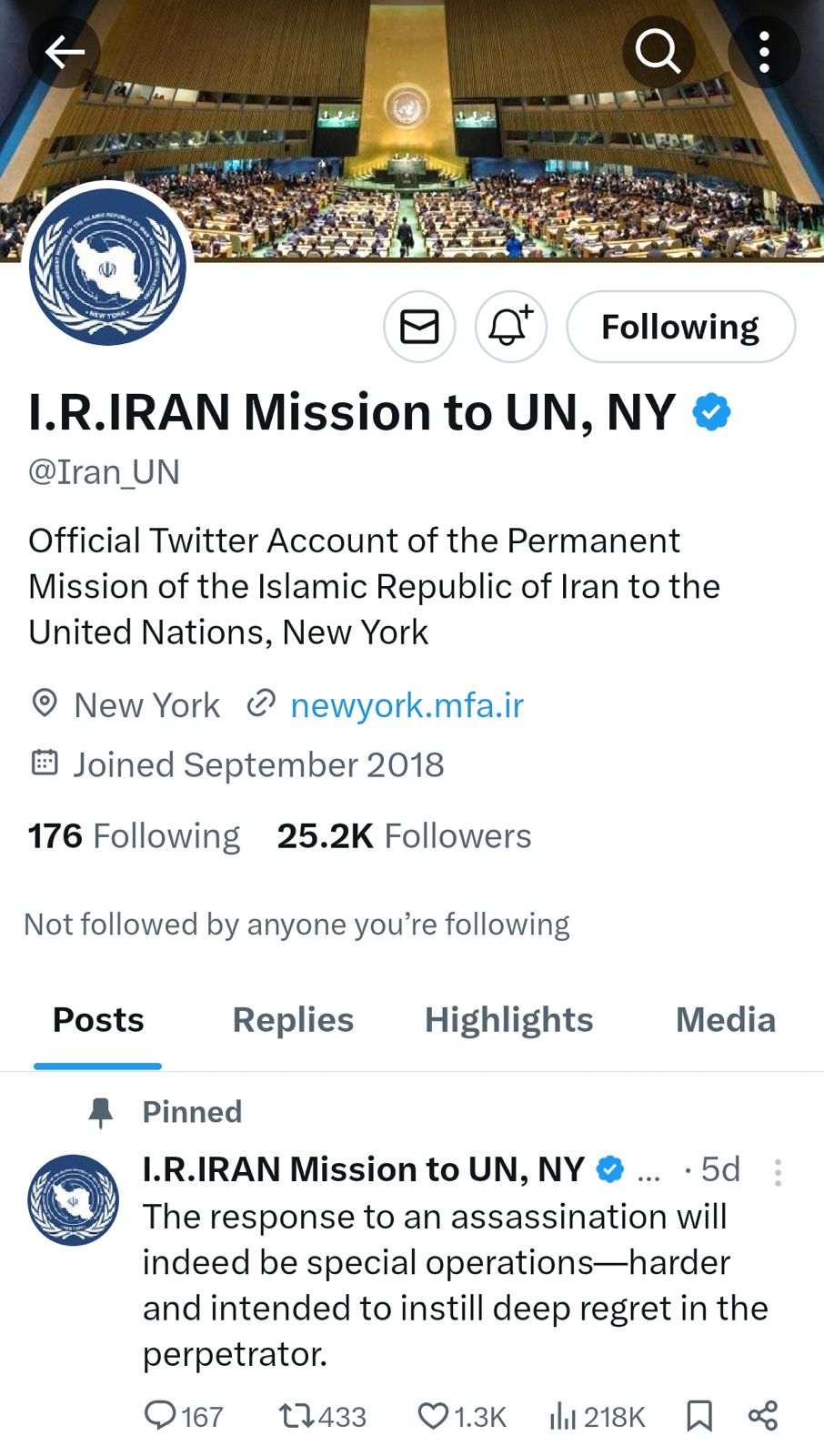
- The Special Military Operation (SMO) that Iran is said to be contemplating is not just an Iranian one. It will be a joint SMO with other members of the Axis of Resistance co-ordinated by Iran.
- In his book, The Jackals’ Wedding: American Power, Arab Revolt, veteran journalist John Helmer quoted Iraq’s President Saddam Hussein telling his general staff in 1983 during a discussion on planning for a regional war of the Arabs against Israel as saying: “The Israelis cannot withstand one year of fighting in a war.”
- On August 7, the Gaza war will be exactly 10 months old and will enter its 11th month on August 8.
- Throughout the 10-month war, Netanyahu has failed to meet the main objectives of the war that he had set out – the destruction of Hamas, the release of Israeli hostages still held captives by Hamas and the demilitarisation of Gaza the day after the war has ended.
- The only thing he has achieved is the genocide of more than 40,000 Palestinian civilians, mostly women, the elderly, children and babies earning him the epithets of “The Butcher of Gaza” and “Baby Killer”.
- Under his ruthless madness, Israel has ‘burned humans, stones, and trees’, according to 43-year-old Gaza archaeologist and restoration expert based in Gaza Fadel al-Utol, who has been a key figure in the field since 1995.
- Al-Utol has led important archaeological projects, including the excavation of a Roman-era cemetery and has played a crucial role in efforts to safeguard Gaza’s cultural heritage.
- Netanyahu’s mad and ruthless strategy has also caused the Zionist movement to lose its powerful influence on global public opinion which has now patently become anti-Zionist and anti-Israel, a fact admitted by both the Biden administration and even Donald Trump.
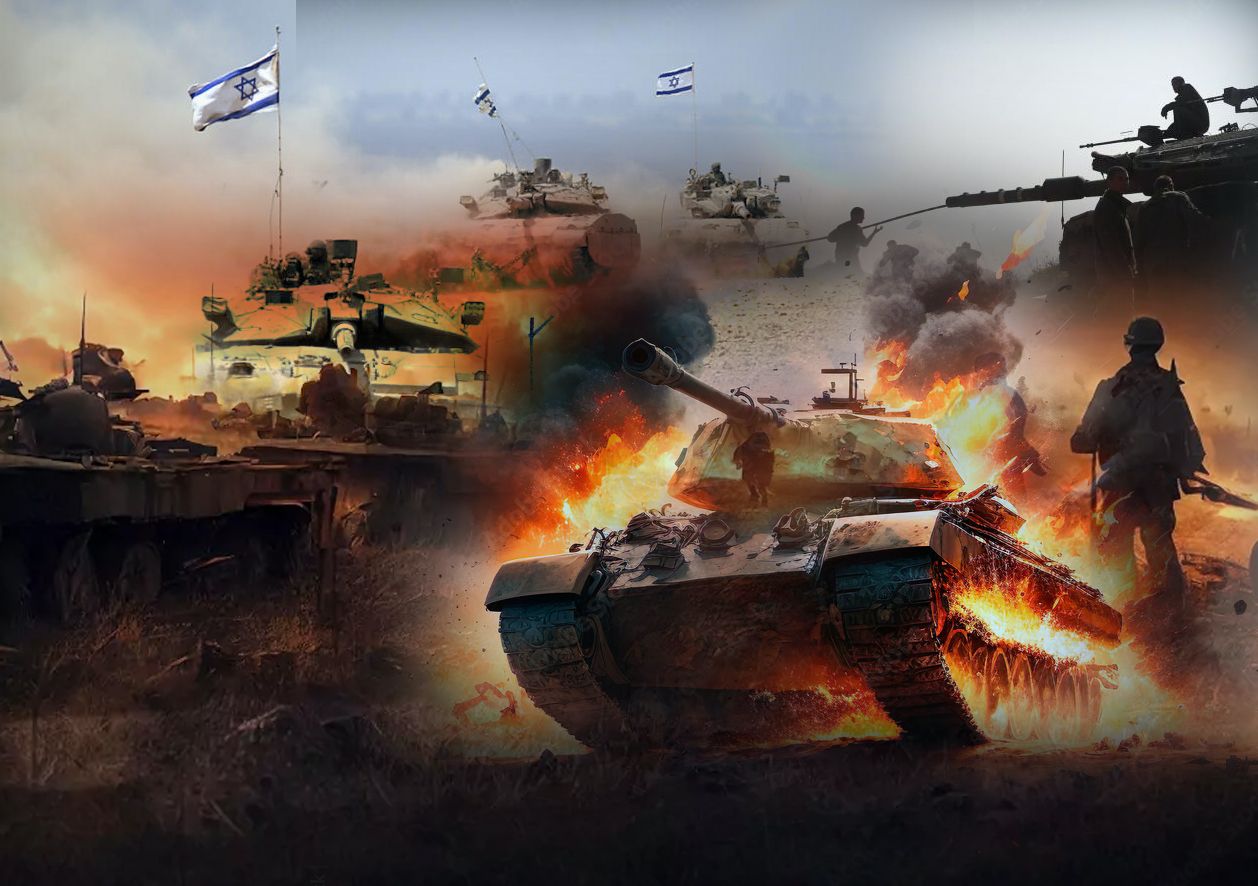
- On the other hand Hamas via its attrition strategy borrowed from the Russian execution of its Ukraine war has destroyed the biggest number of Israel’s famous and overrated Merkava tanks, forcing it to admit of a dire shortage of tanks to which Hezbollah leader Hassan Nasrullah said Israel won’t be experiencing a shortage of tanks in an all-out war in the North; it would simply have no tanks left.
- Hamas’ attrition strategy has also resulted in the biggest killing and wounding of IDF troops when compared to the combined totals of the dead and wounded in all its previous conflicts with Israel.
- And just as Hamas’ rocket attacks has caused tens of thousands of Israelis in the Gaza envelope to flee their homes, in the North, Hezbollah’s poundings of its Israeli-occupied territories have caused hundreds of thousands of Israelis to flee from the North.
- What’s most spectacular is that for the first time in an Israeli war with its neighbours, the buffer zone in the North is no longer outside Israel’s border but jutting inward at least 5km inside Israel.
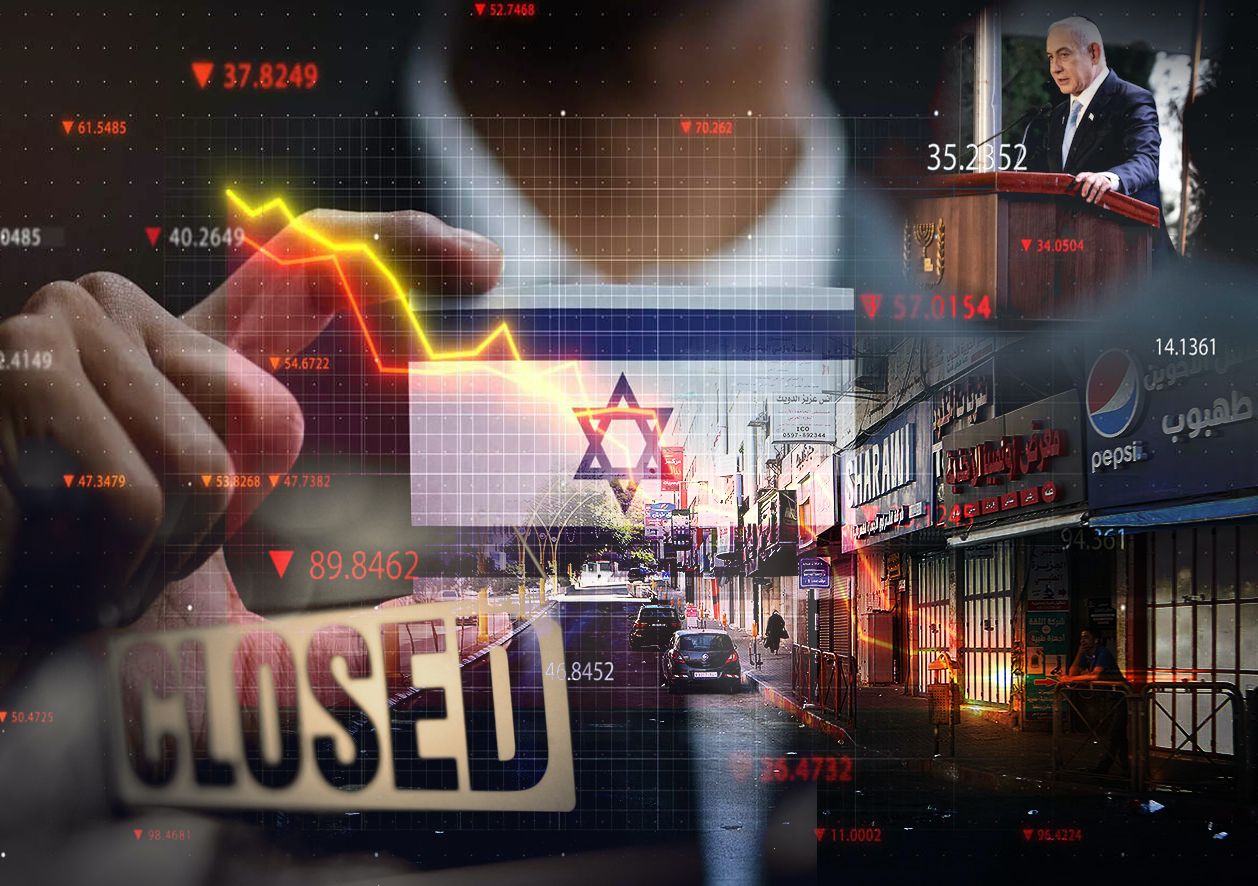
- Under Netanyahu’s leadership the Israel’s economy went from bad to worse and then to hopeless.
- Through the strategy of an attrition war, Hamas has partially destroyed all of its ports via rocket attacks at the start of the war.
- This was then followed by the more destructive effect of Yemen’s relentless pounding of Haifa and its naval blockade of Israel ships and ships of other nations on its way to Israel, thus depriving Israel from its much needed food and supplies.
- It is said that Israel manages to survive this scarcity in food and supplies through the “treachery” of the Palestinians’ fellow Arab states – the UAE and Jordan.
- Both are complicit in opening a land route that passes their countries to clandestinely bring in food and supply to Israel, while they do nothing at seeing their fellow Palestinian brothers suffer from malnutrition, hunger and thirst due to the Zionist’s scorched earth policy of preventing humanitarian assistance from reaching Gaza.
- Meanwhile thousands of Israeli businesses had closed shops with thousands more expected to close in the near future due to the war.
- In fact as your editor is writing this line, fresh news comes today (August 4) that Israeli stocks plunge sharply amid fears of the Iranian and Hezbollah threat.
- The benchmark TA-35 stock index fell as much as 2.7%, which is the most in a week, before slightly recovering at around 2.5%, Bloomberg reported. The Tel Aviv Stock Exchange is closed on Friday and Saturday.
- US markets fell on Friday after dismal job statistics fuelled fears of an economic slowdown and raised concerns that Federal Reserve isn’t moving fast enough to decrease interest rates.
- According to Israeli market analysts, the steep decline in Israeli stocks on Sunday is related to both the sharp drops in the US market and the “tremendous security tensions” in Israel.
- The market is expected to continue to be very nervous in the coming days and weeks.
- Hence we can see the escalation started by Israel with the assassination of Hamas Political Bureau Chief, Ismail Haniyeh will continue to harm the Israeli stock market which may spread globally to other financial markets, causing a global financial meltdown to occur.
- The only way to prevent this is to remove the “tremendous security tensions” in Israel, and this in turn can be achieved if the US and other allies of Israel put more pressure on Israel to announce an immediate ceasefire and a complete withdrawal of its troops from Gaza, accompanied by the release of thousands of Palestinian prisoners that are being treated in an inhumane and despicable manner in Israeli jails.
- Just like Ukraine, Israel is very dependent on financial and arms assistances from the US. With the US accumulating an unprecedented $35 trillion in national debt and concern over an economic slowdown, a day will come when the US would no longer be able to dish out assistances to Israel.
- Also the Iranian SMO will occur at a time when a Congressional Commission has determined the US is ‘not prepared for global war’.
- No one really knows exactly how the Iranian SMO will proceed as this knowledge is limited to the highest echelons of the Iranian and the Axis military command.
- But we can conclude several points from the latest information coming out from Iran on the nature of its response.
- Firstly the Speaker of the Iranian Parliament, Mohammad Bagher Ghalibaf, affirmed today (August 4) that his country “has not and will not leave any attack on its sovereignty unanswered,” stressing that the Israeli occupation and the US “will regret their actions and will be forced to change their calculations.”
- Earlier, Kazem Gharibabadi, the Deputy Chief for International Affairs of the Iranian Judiciary, warned in an interview for Al Mayadeen that the Israeli occupation would face severe repercussions for its actions, such that “it would not dare to commit further acts of terrorism or violate Iran’s sovereignty.”
- They also pointed out that “Iran will not yield to pressures and messages of de-escalation because any abandonment of retaliation will open the door to more Israeli aggressions.”
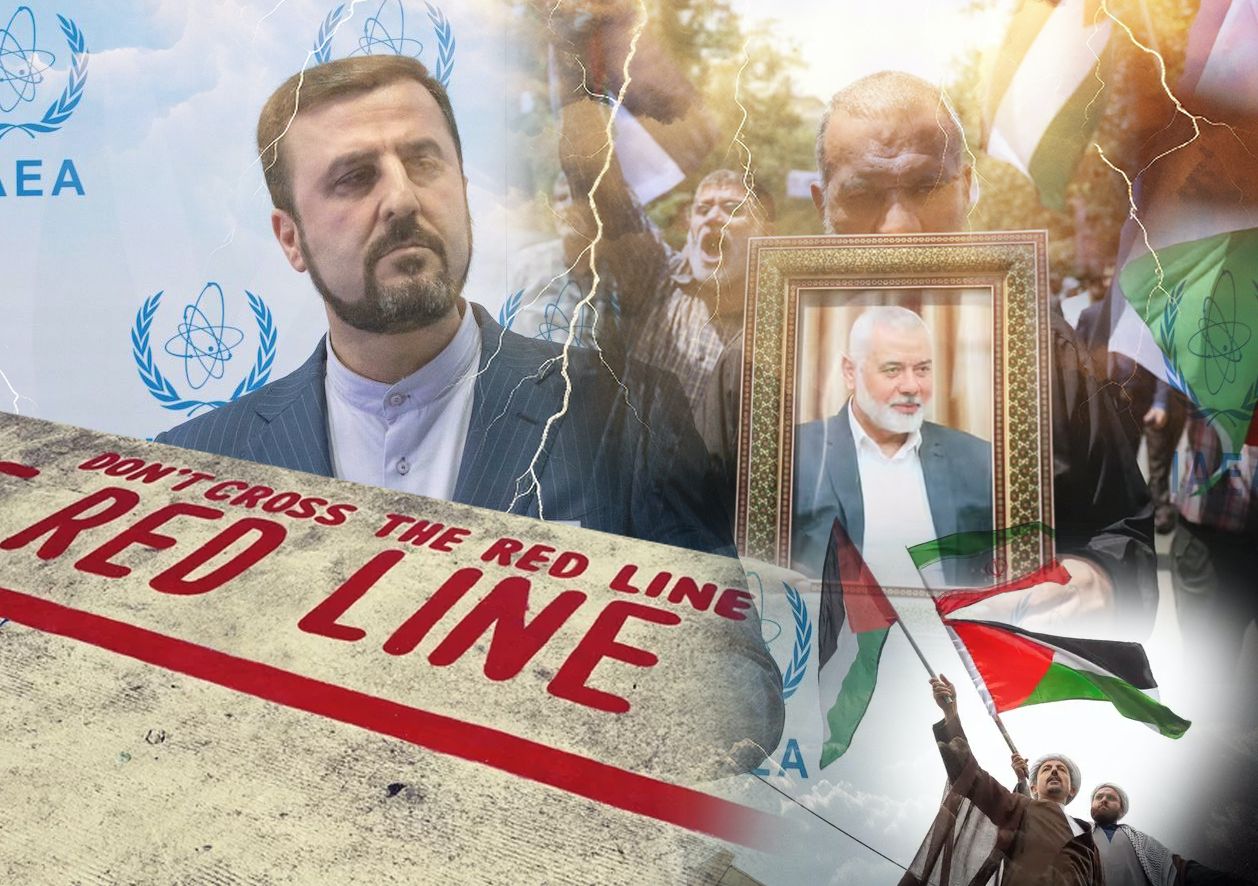
- Finally, Iran considers the assassination of martyr Ismail Haniyeh to be one of its red lines that was crossed, “regardless of the details of the operation,” indicating that it will handle the response accordingly, Al Mayadeen‘s correspondent in Tehran reported, citing an informed Iranian source.
- That is why “Iran will respond in a way that crosses the red lines set by the Israeli occupation,” the informed source stated.
- These will be the broad parameters of the Iranian SMO.
- As the SMO is inspired by the Russian experience, the details of the SMO could include an electric war where energy infrastructures will be targeted and the continued attrition of Israeli troops and its weaponries will be pursued.
- And expect the disinformation war on the part of the US media to occur when Iran launches its SMO.
- This disinformation war had already begun when the New York Times (NYT) was roped in with a story that Haniyeh was killed by a bomb planted inside the secure Iranian guesthouse months earlier.
- In an op-ed The oxymoron of assassinating a negotiator by your editor, this allegation has not surfaced yet and so the issue was not touched.
- In a statement on August 3, Iran’s Islamic Revolutionary Guard Corps (IRGC) strongly rejects this allegation by the NYT which quickly makes the rounds in western media.
- These reports, according to the IRGC are fuelled with “sinister political objectives” to divert the attention of public opinion.
- The statement also noted that “all security protocols and safety requirements were fully applied to the residence of Haniyeh in Tehran, which is used for accommodating political figures and foreign guests.”
- Haniyeh, it says, was killed by “a short-range projectile with a warhead weighing around 7kg” in an Israeli “terrorist crime” that hit the Iranian capital earlier this week.
- The statement also holds the US government responsible for providing support in “planning and executing” the operation.
- “The terrorist Zionist entity will certainly be severely punished for this gamble and terrorist crime at the appropriate time, place, and method,” the IRGC warned.
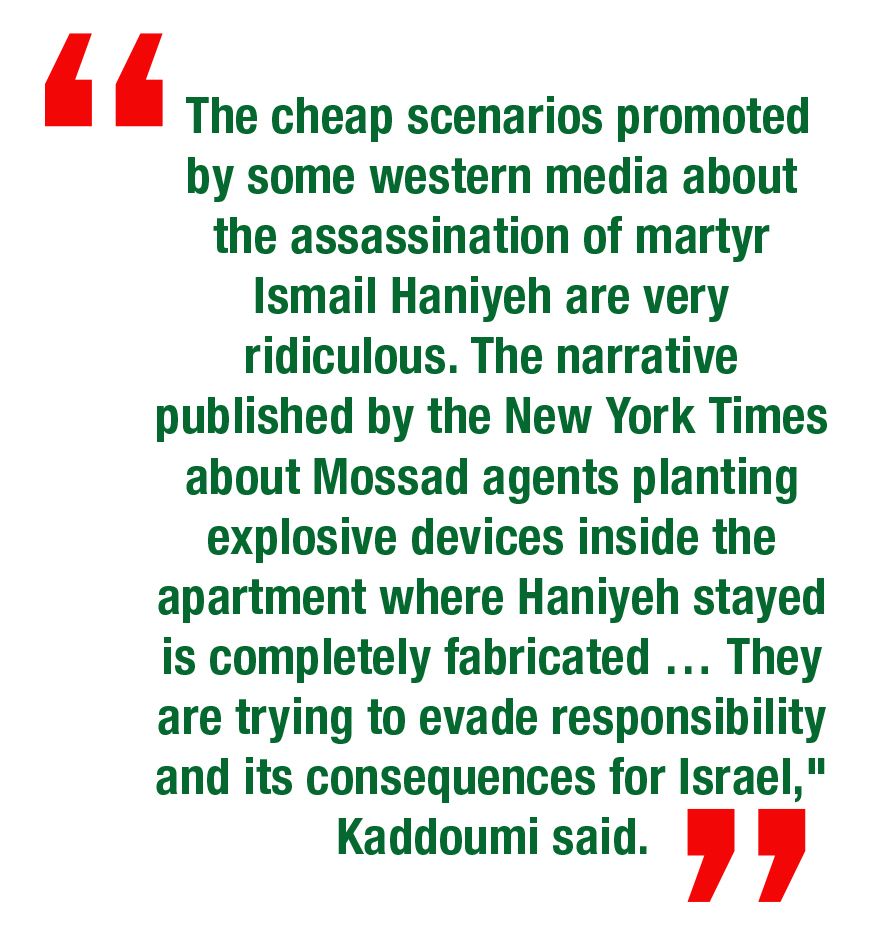
- The IRGC announcement comes on the heels of comments to The Cradle by Hamas representative in Iran Khaled Kaddoumi, who said the NYT “completely fabricated” their report on Haniyeh’s death.
- “The cheap scenarios promoted by some western media about the assassination of martyr Ismail Haniyeh are very ridiculous. The narrative published by the New York Times about Mossad agents planting explosive devices inside the apartment where Haniyeh stayed is completely fabricated … They are trying to evade responsibility and its consequences for Israel,” Kaddoumi said.
- “I was there, and the wall and ceiling of the place where he was were collapsed. It is clear from the appearance of the place after the attack, and from the body of the martyr leader Ismail Haniyeh, that the targeting was carried out by an air-dropped projectile,” the Hamas official added.
- The NYT story supported the narrative of the Israeli military. After Haniyeh’s killing, Israeli army spokesman Daniel Hagari lied in a press conference that “the air force was not on any mission that night except for the attack that targeted Beirut.”
- Israeli journalist Ronen Bergman, US journalist Mark Mazetti, and US-Iranian journalist Farnaz Fassihi authored the NYT story regarding Haniyeh’s killing.
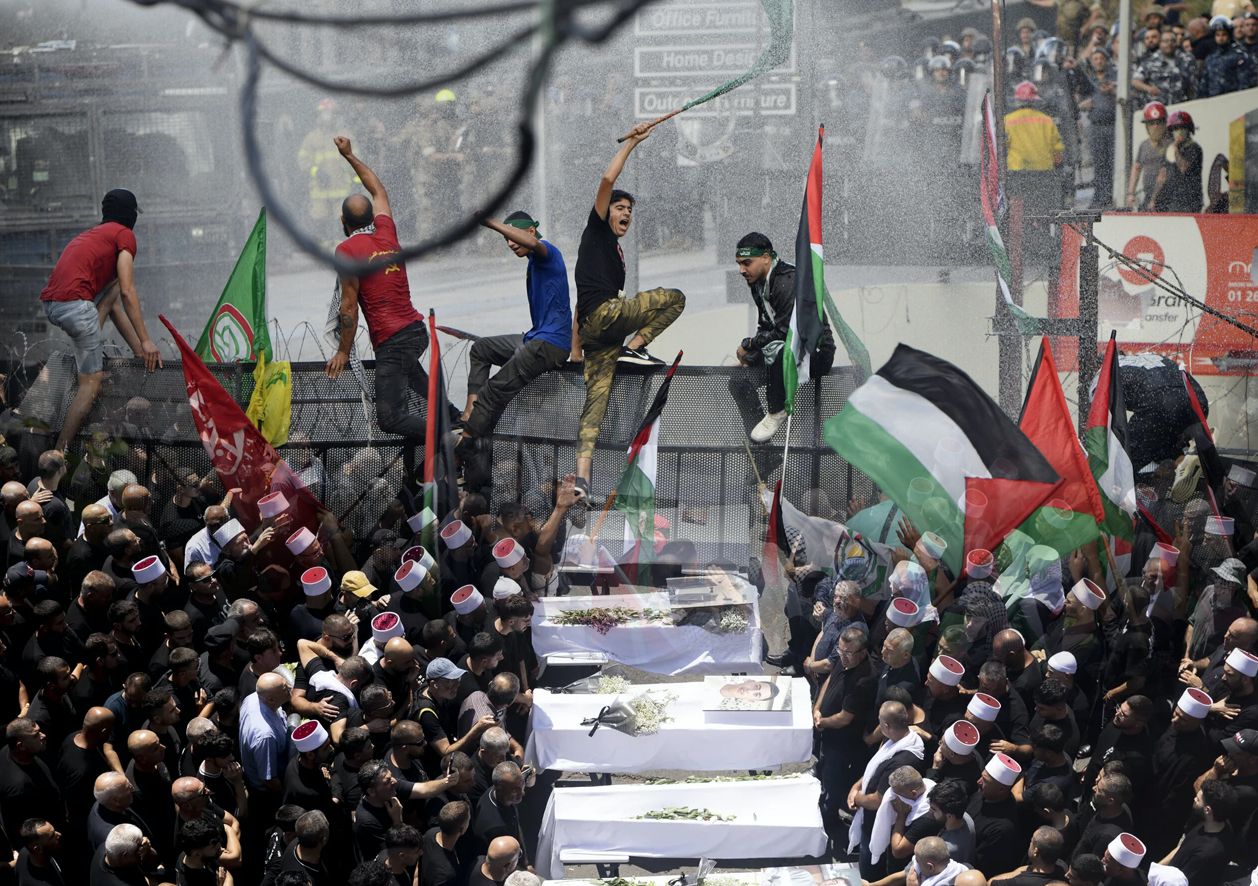
Read more on the panic and despondency in Israel and the US in anticipation of an Iranian-led special military operation on Israel:
Israel mulling ‘preemptive strike’ on Iran – media
Israel preparing underground bunker for Iranian attack – media
US and Israel bracing for imminent Iranian attack – Axios
France warns citizens to leave Iran
US knew Israel would kill Hamas leader – Iran’s top spy
US senator calls for ‘military force’ against Iran
IOF outline Hezbollah response scenarios to North mayors
US Embassy Urges Citizens to Leave Lebanon Immediately Amid Rising Tensions
Hamas deputy chief: A new leader will be chosen in the coming days
Israelis to face major food shortages if Hezbollah strikes Haifa
Israeli forces fail to down Hezbollah drone which injured two troops
US does not want to get dragged into another ME war: Congressman
Strategic overview: The options the Axis of Resistance is facing
Israeli assassination of Haniyeh was big mistake: Pezeshkian to Safadi
Iran vows to ‘punish’ Israel in meetings with Jordan FM
Trump lays blame for stock market crash
Israeli stocks plunge amid fears of Iran, Hezbollah threat
Global stock market crash: LIVE UPDATES
Without US to the rescue, ‘Israel’ would be dealt a severe blow: INSS
Shoigu Arrives in Iran to Discuss Global, Regional Security
US Sends Military Forces to Middle East as Observers Fear Catastrophic War Is Imminent
Biden says killing of Hamas leader Haniyeh not helpful for ceasefire talks
Very hard to replicate interception success against 2nd strike: Axios
Killing of Hamas chief in Iran stirs fears of retaliation
Iran and Hezbollah attack on Israel imminent, Blinken tells G7: Report
CENTCOM chief in Israel for ‘preparations’ against Iran, Hezbollah
Ismail Haniyeh killed by ‘short-range projectile’ in Israeli ‘terrorist op’: IRGC
NYT ‘completely fabricated’ report saying Haniyeh killed by remote bomb: Hamas
‘We are unprotected’: Israeli settlers brace for Hezbollah retaliation
Intl airlines cancel flights to Israel further threatening battered industries
Turkiye bans Instagram following accusation of anti-Palestine censorship
White House pledges ‘new military deployments’ to protect Israel
Hezbollah chief says Israel pushed resistance to open battle ‘on all fronts’
Iraq boosts security on Syrian border after US proxies free hundreds of ISIS fighters
Washington misled Lebanon into thinking ‘Beirut is a red line’: Report
Israel’s allies block Security Council statement condemning Tehran attack
US, Israel to regret Haniyeh murder after Iran retaliation: Ghalibaf
S.Africa urges probe into Haniye assassination, decries Gaza situation
Congressional commission determines US ‘not prepared for global war’
Israeli shekel plummets in wake of Haniyeh assassination
‘Entire Resistance Axis’ will respond to Haniyeh assassination: IRGC
Egypt, Qatar say Haniyeh killing exposes Israel’s ‘lack of will’ for Gaza ceasefire
‘Israel’ braces for prolonged mobile service shutdown in event of war
Iran to cross what ‘Israel’ deems ‘red lines’ in retaliation: Sources
Iran vows stronger response than ‘Operation True Promise’: Exclusive
Hezbollah responds to Israeli attack on civilians, targets Beit Hillel
Iran rejects calls to tone down Haniyeh’s assassination response: WSJ
YAF shoot down US MQ-9 drone over Saada, target ship in Gulf of Aden
US top Middle East Gen. arrives to region as Iran, Axis response nears
UKMTO says missile hits ship east Aden as US, ‘Israel’ on high alert
Ex-Israeli NSC deputy chief gives grim reading of ‘Israel’ situation
Regards,
Jamari Mohtar
Editor, Let’s Talk!

P.S: Read our op-eds published by several news portals about the assassination of Hamas leader Ismail Haniyeh, the regional war in the Middle East, the end of the US Empire, the latest in the Ukraine war, the on-going Hamas-Israel war, unprecedented Hamas attack on Israel, Nagorno-Karabakh, Brics-11, the sanctions war imposed on Russia, the Black Sea Grain Initiative and China & Russia as peacemakers in the Middle East:
The oxymoron of assassinating a negotiator aza war has dire economic cost for Israel
Gaza war has dire economic cost for Israel
Regional war in the Middle East
2024 – Tectonic geopolitical change that will upend US empire
The year America failed to predict the unexpected
In 2023, the US fails to expect the unexpected
An ‘unexpected’ hardening of Russia’s stance
Hamas-Israel war spotlights Palestine sovereignty
Don’t underestimate the Muslim-Arab group working for a ceasefire via diplomacy
US, Israel may be on verge of defeat in war of attrition
The Plan For Israel To Supply Natural Gas To Europe
Israel’s plan to supply gas to Europe
The plan for Israel to supply natural gas to Europe
Possible reason why Israel attacks Gaza
The anatomy of a war of attrition
The world on the brink of a major war?
Diplomacy as a response to Israel-Gaza war
Regional superpower caught with pants down by ‘ragtag’ fighters
The crude sophistication of Hamas’ tactics
Blaming Russian ‘ineffective’ peacekeeping to start a war
Nagorno-Karabakh: War games on a chessboard turned real?
Implications of an expanded BRICS
Black Sea grain deal – another blow to the global economy?
Black Sea Grain Initiative hits a snag
The Global Whammy Of Rising Food Inflation
SURAT | Hebatnya pukulan kenaikan inflasi makanan sedunia
Russia has already won the sanctions war
China and Russia: Peacemakers in the Middle East with a difference


Recent posts
- Vol 4 No 49:2024 – Tectonic geopolitical change that will upend US Empire [PDF]
- Vol 4 No 50: Will Iran directly enter the regional war in the Middle East that has started on Dec 31? [PDF]
- Vol 4 No 51: The economy and US presidential election: Ticking time bomb for Israel’s defeat [PDF]
- Vol 4 No 52: Israel and its four fairy tales on Hamas [PDF]
- Vol 4 No 53: Unprecedented Iran’s slap on Israel’s face that has many firsts [PDF]
- Vol 4 No 54: The world in chaos [PDF]